
Tirzepatide Sherman Oaks, CA
Tirzepatide is a weekly injectable GIP/GLP-1 dual-receptor agonist used in medically supervised weight management and blood-sugar control. It acts on both appetite regulation and glucose metabolism, and it works best inside a structured program with laboratory review, careful dose escalation, and ongoing clinical follow-up. At Cosmetic Injectables Center Medspa in Sherman Oaks, that program is directed by Sherly Soleiman, MD, Board-Certified Physician and Founder and Medical Director of Cosmetic Injectables Center Medspa .
Receive Treatment from a Leader in Medical Aesthetics
Our program is directed by Dr. Sherly Soleiman, a board-certified physician with over 25 years of medical experience. As a faculty member for Allergan and an advisor to leading aesthetic companies, she is at the forefront of injectable safety and innovation. Under her guidance at our Top 1% nationally-ranked Medspa in Sherman Oaks, you can be confident you are receiving the safest, most effective care.

What is Tirzepatide?
Tirzepatide is a GIP/GLP-1 dual-receptor agonist administered as a weekly subcutaneous injection. Unlike medications that act on the GLP-1 receptor alone, tirzepatide acts on two gut-hormone pathways at once, which is why it is used for both glycemic control and chronic weight management. Tirzepatide is the molecule name rather than a product name; the specific formulation used in this program is described in the disclosure below.
Tirzepatide supports steadier blood-sugar control and gradual weight reduction over months rather than weeks. The degree of change varies considerably between patients depending on dose, starting health status, nutrition, activity level, and how long treatment continues. Your Provider will set realistic expectations for your individual situation at consultation.
This medication works like two intestinal hormones:
- Glucose-dependent insulinotropic polypeptide (GIP)
- Glucagon-like peptide (GLP-1)
The brand names of tirzepatide medication, a class of GIP/GLP-1 agonists, include Mounjaro for glycemic control and Zepbound for weight loss. Compounded versions of tirzepatide are also available.
How tirzepatide works:
- Increased insulin release after a meal
- Reduces gluconeogenesis
- Slowing the movement of food through the stomach
- Gives a feeling of satiety and controls the appetite
Studies of FDA-approved tirzepatide products have also reported improvement in moderate-to-severe obstructive sleep apnea in adults with obesity.
The tirzepatide used in this program is a compounded medication prepared by a reputable, certified and licensed pharmacy. Compounded medications are not approved by the FDA, which means the FDA has not reviewed them for safety, effectiveness or quality. Your Provider will discuss this with you during your consultation.
Compounded preparations are dispensed only on the prescription of a licensed prescriber. At Cosmetic Injectables Center Medspa, prescribing, dosing, and titration decisions are made by Dr. Sherly Soleiman, MD, or by a licensed prescriber working under Dr. Soleiman’s direction, following clinical evaluation and laboratory review. Our aesthetics providers support the program with education, injection technique, and follow-up scheduling; they do not prescribe.
Tirzepatide Benefits
Tirzepatide is a once-weekly injectable used in medically supervised programs for blood-sugar control and chronic weight management. Like all prescription medications it carries risks, which are set out in the Side Effects & Risks section below.
What Results to Expect:
- Improved blood sugar levels: By increasing postprandial insulin release and inhibiting gluconeogenesis, Tirzepatide improves glycemic control.
- Effective for weight loss: Support for weight reduction: Tirzepatide slows gastric emptying and increases satiety signalling, which for most patients reduces overall calorie intake without constant conscious restriction.
- Physician-supervised: Your laboratory results, dose escalation, and side effects are reviewed by a physician-led team at every stage of treatment. All prescription medications carry risks; tirzepatide’s are set out in full in the Side Effects & Risks section below.
- Monitoring of obesity-related health markers: Clinically meaningful weight reduction is generally associated with improvement in blood pressure, cholesterol, and blood-sugar measures. We track these with periodic laboratory testing throughout your program

How Long Will Results Last?
Most patients notice changes in appetite within the first few weeks, but durable change comes from pairing treatment with nutrition and activity habits that can be maintained afterwards.
Tirzepatide Cost & Pricing Structure
The cost of Tirzepatide varies depending on geographic location, duration of treatment, dosage being administered, whether it’s being compounded locally, or imported.
- US National Average: $300-$2,000
- Our Price: Competitive, please check our monthly specials
- Additional Costs: There is no extra cost for treating with Tirzapatide.
- Insurance: Most insurance companies do not cover cosmetic procedures, but may cover some of the cost if certain medical indications are met, though co-pays and deductibles will still apply. We do not contract with insurance, but offer a variety of payment options for your convenience.
Schedule Your Personalized Tirzepatide Therapy Consultation
Tirzepatide Before and After Gallery
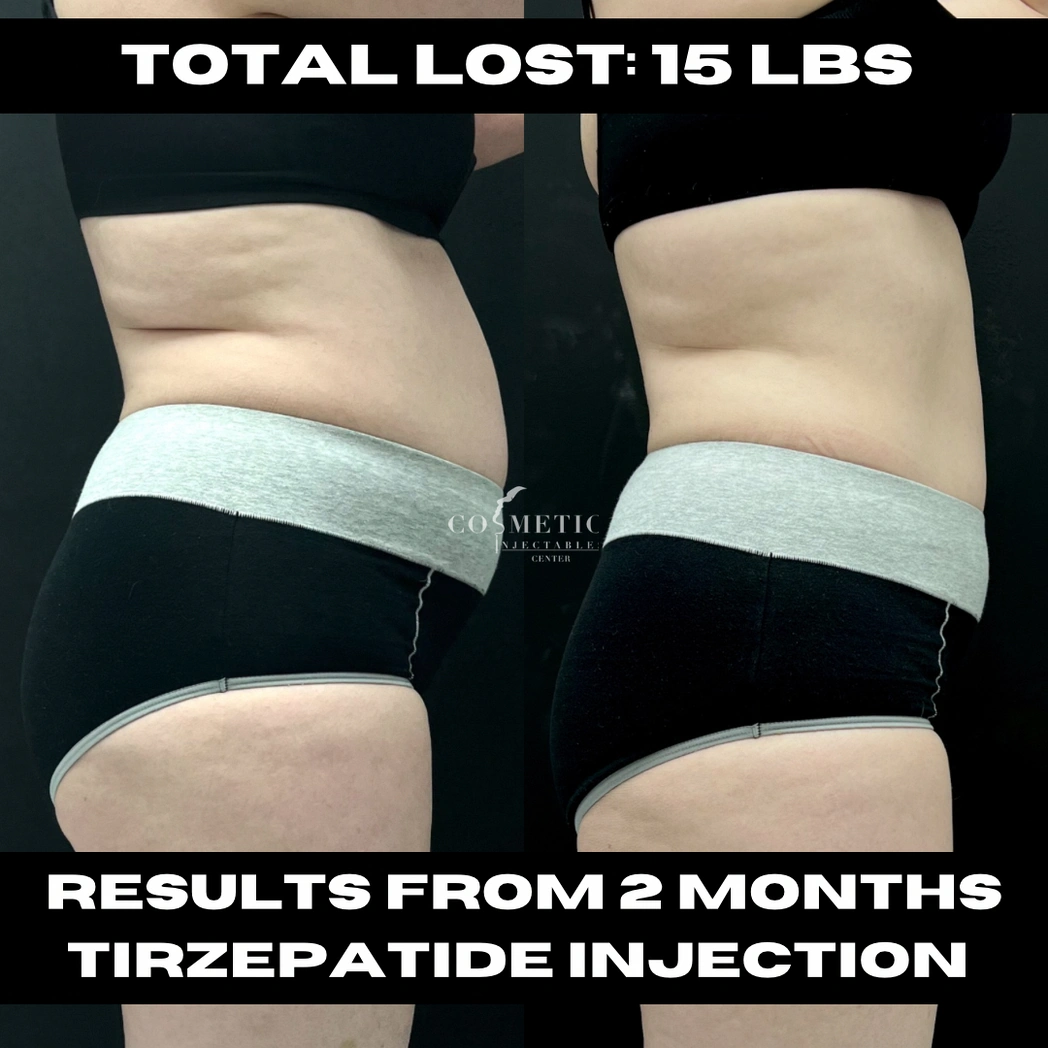
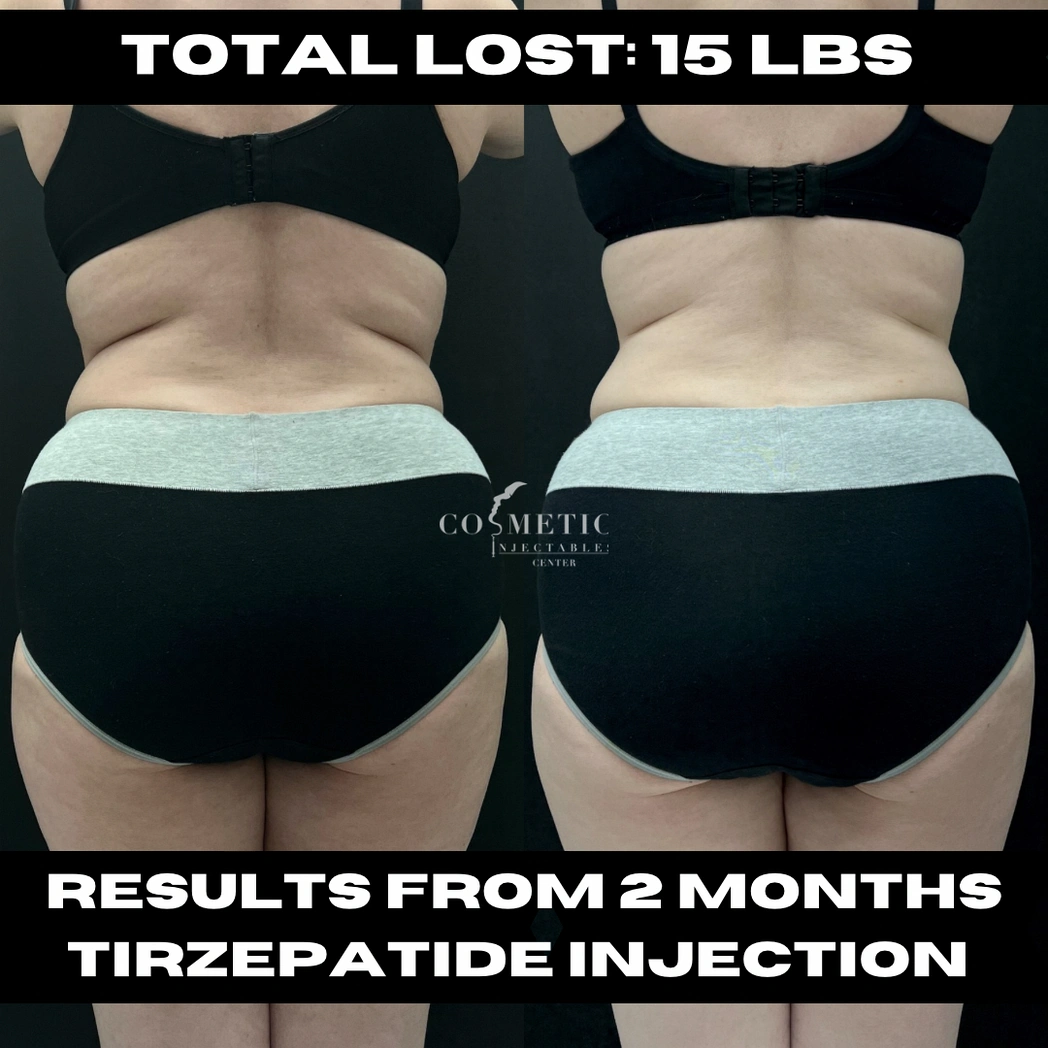
Result photos of a real patient after 2 months of Tirzepatide injections at our Sherman Oaks medspa. Combined with a healthier lifestyle, this individual lost 15 pounds in 60 days. While results vary, Tirzepatide is a highly effective treatment because it works by simultaneously regulating blood sugar and appetite.
How the Procedure Works
Tirzepatide therapy at Cosmetic Injectables Center Medspa in Sherman Oaks has four stages (the initial consultation, dose-escalation phase, monthly follow-ups during titration, and longer-interval check-ins during maintenance). Patients arriving from greater Los Angeles, Encino, Studio City, Tarzana, and Burbank typically schedule the consultation in advance because the first appointment includes detailed clinical evaluation and dose-protocol planning with certified providers under supervision of Dr. Sherly Soleiman, MD.
Compounded tirzepatide is supplied in a vial and drawn to your prescribed dose. Because the dose is measured at the time of injection, we recommend that early doses are administered in-office by a trained provider, so that measurement, technique, and tolerance can all be checked. Patients who become confident with the technique may transition to at-home self-injection with our written guidance.
Before & Preparation
Before you commence this treatment, you will have a consultation with one of our experts. In this consultation, we will do the following:
- Review a comprehensive set of labs and check your health status
- Ensure you’re a good fit for the treatment
- Help you set realistic expectations
- Inform you of risks and side effects

During the Procedure
Your dose is drawn from the vial and given as a small subcutaneous injection, usually in under a minute:
- Your provider confirms your current dose against your titration schedule
- The injection site is selected and cleaned
- The prescribed volume is drawn and measured
- The injection is given into the subcutaneous layer
- You are observed briefly, and your next dose and follow-up visit are scheduled
For compounded versions, we recommend in-office injection by an expert provider who can draw and measure based on your specific needs.
If you self-inject at home, follow the written instructions provided at your visit, together with our step-by-step [Comprehensive Guide to Subcutaneous Self-Injection of Tirzepatide].
Tirzepatide Treatment Areas
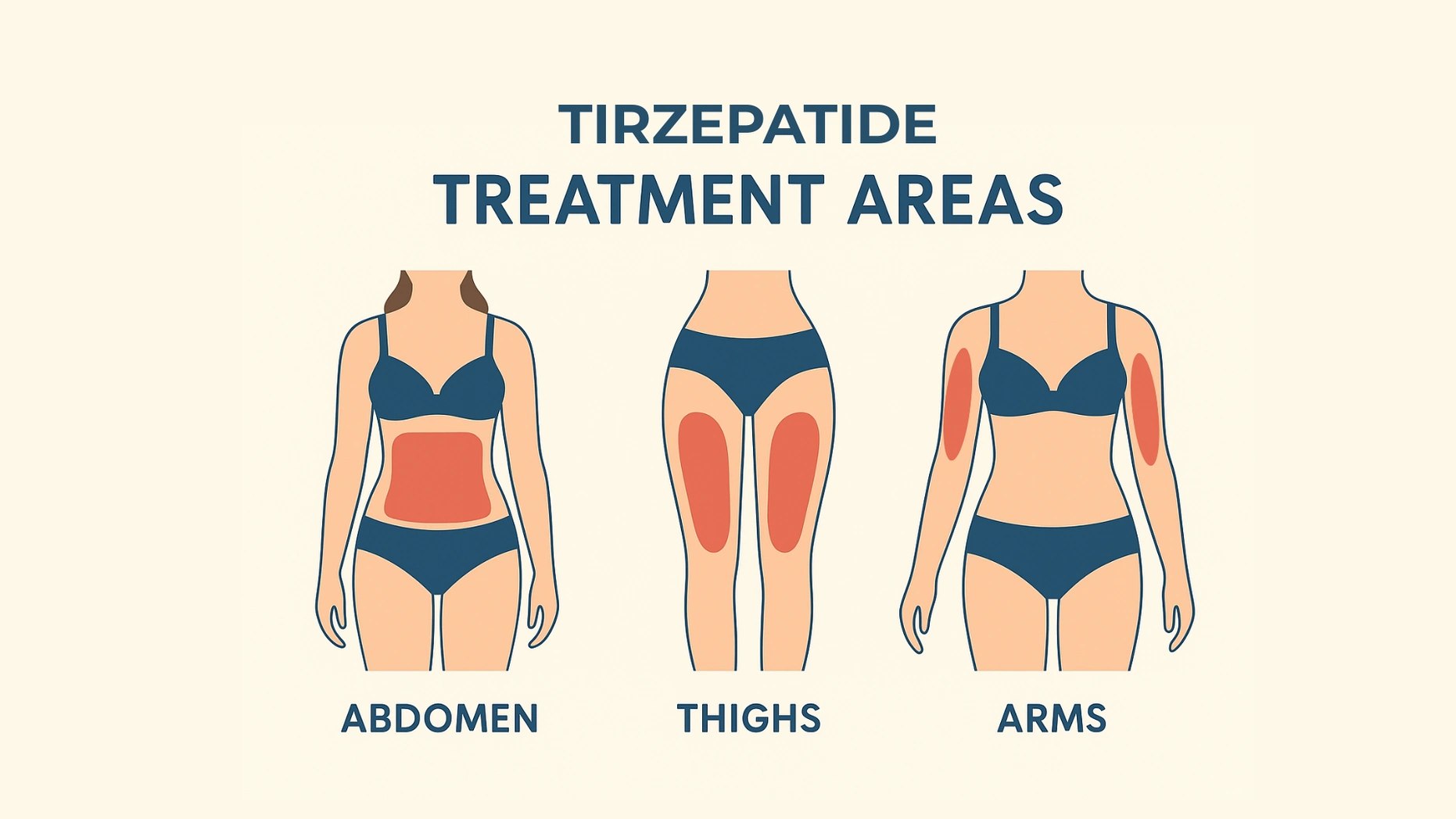
This injection is administered into the subcutaneous layer of the:
- Abdomen
- Thighs
- Arms
Achieve Your Wellness Goals Safely and Effectively

Am I a Good Candidate?
Tirzepatide therapy may be appropriate for adults who:
- Are 18 years of age or older
- Have a BMI of 30 or higher, or
- Have a BMI of 27 or higher alongside a weight-related condition such as high blood pressure, high cholesterol, or type 2 diabetes
- Are willing to make and sustain nutrition and activity changes
- Are able to attend scheduled follow-up visits and laboratory monitoring
Eligibility is determined at consultation after review of your medical history and laboratory results.
Some uses of tirzepatide fall outside its established labelling. Where that applies to you, your prescriber will explain what is and is not supported by evidence, and why treatment is or is not being recommended in your case.
Tirzepatide is not appropriate if you have:
-
A personal or family history of medullary thyroid carcinoma
-
Multiple endocrine neoplasia syndrome type 2 (MEN 2)
-
A known hypersensitivity to tirzepatide or its excipients
-
Type 1 diabetes mellitus
-
A history of pancreatitis
-
Current pregnancy, plans to conceive, or breastfeeding
Closer monitoring and individual assessment apply with gallbladder disease, significant kidney impairment, gastroparesis or severe gastrointestinal disease, and pre-existing diabetic retinopathy. These are reviewed individually at consultation.
Similar & Related Procedures
- Phentermine: An oral appetite suppressant used short-term. It is not a GLP-1 medication and use is generally limited to around 12 weeks.
- GLP-1 agonist therapy: The broader medication class that tirzepatide belongs to.
- Saxenda: This is injected daily. The active ingredient is liraglutide, which is also a type of GLP-1. It regulates your appetite and slows the movement of food through the stomach. This causes weight loss.
- Medical Weight Loss: The supervised program structure; laboratory review, nutritional guidance, and scheduled follow-up; that accompanies GIP/GLP-1 therapy.
Tirzepatide vs. Phentermine
Tirzepatide
Drug Class
Administration
Mechanism of Action
Average Weight Loss
Duration of Use
Common Side Effects
Cost (approximate)
Insurance Coverage
Phentermine
Drug Class
Administration
Mechanism of Action
Average Weight Loss
Duration of Use
Common Side Effects
Cost (approximate)
Insurance Coverage
Side Effects & Risks

The most common side effects of Tirzepatide include:
- Abdominal pain
- Constipation
- Loss of appetite
- Diarrhea
- Nausea
- Vomiting
- Heartburn
- Vivid dreams
The more serious side effects are:
- Anaphylaxis
- Difficulty in breathing and swallowing
- Recurrent fever
- Jaundice
- Hypoglycemia
- Pancreatitis
Why Choose Cosmetic Injectables Center Medspa for Tirzepatide Therapy
Tirzepatide therapy at Cosmetic Injectables Center Medspa is delivered within a physician-led medical spa in Sherman Oaks, where GLP‑1/GIP dosing, cardiometabolic risk factors, and treatment timelines are managed as part of structured medical care. Tirzepatide therapy may be used to address medically supervised weight reduction, obesity-related comorbidities, and longer-term weight maintenance in appropriately selected patients.
All Tirzepatide treatments are overseen by Dr. Sherly Soleiman, MD, Founder and Medical Director of Cosmetic Injectables Center Medspa, who brings over 25 years of clinical experience to medication selection, titration, and longitudinal follow-up. Under her direction, the medical spa integrates wellness-focused therapies with her background in cosmetic injectables to support patients whose weight loss may influence facial structure, skin quality, and overall aesthetic planning within a single physician-directed setting.

Key reasons to consider Cosmetic Injectables Center Medspa for Tirzepatide therapy include:
- Board-Certified Physician: Tirzepatide therapy is supervised by a board-certified physician who evaluates medical history, concurrent conditions, and treatment goals within a true medical spa environment.
- 25+ Years of Medical Experience and Training: Dr. Soleiman applies decades of internal medicine–based experience to laboratory review, side-effect management, and risk–benefit counseling for GLP‑1/GIP therapies.
- Founder & Medical Director Involvement: As Founder and Medical Director, Dr. Soleiman establishes Tirzepatide protocols, including eligibility criteria, dose-escalation schedules, and visit frequency, rather than relying on generic, pre-set weight-loss programs.
- Physician-Led, On-Site Care: Patients receive Tirzepatide therapy in a physician-directed medspa where in-person assessments, dose adjustments, and supportive lifestyle guidance are provided by medically trained clinicians.
- Integration With Aesthetic Planning: Dr. Soleiman’s extensive experience in cosmetic injectables allows her to recognize and address facial volume and contour changes that can accompany significant weight loss, with the option to plan separate injectable treatments when clinically and aesthetically appropriate.
- Evidence-Led Protocols: Dosing schedules, monitoring intervals, and stopping rules follow current clinical evidence and published labelling for the molecule, rather than trend-driven or purely cosmetic approaches to weight management.
Patients seeking physician-supervised Tirzepatide therapy in Sherman Oaks, Burbank, Glendale, and neighboring communities can access medically guided weight management within a medical spa that also understands the aesthetic implications of meaningful body change.
Tirzepatide Reviews
”I can’t say enough amazing things about Melody and her incredible work at Cosmetic Injectables Center! I drive all the way from Pasadena to Sherman Oaks just to see her, and it’s worth every mile. She makes me feel so comfortable throughout the entire process, answering all my questions, explaining everything in detail and ensuring I have the best experience every time. I started my weight loss journey 4 months ago, setting goals, eating healthy, and exercising regularly. I highly recommend this place man or woman – it’s a game changer. The entire staff is amazing. Next appointment is already on the books! Thank you, Dr. Sherly Soleiman & Team”
M R.
Yelp
“The team here is absolutely fantastic! It’s always such a blast coming in for my tirzepatide injections and Brotox treatments with Melody. She makes the experience enjoyable and seamless every time. I highly recommend them!”
Andrew K.
Tirzepatide therapy at Cosmetic Injectables Center Medspa in Sherman Oaks is available to adult patients who meet clinical criteria for chronic weight management or related metabolic conditions. Patients in greater Los Angeles, Glendale, Pasadena, Calabasas, and Thousand Oaks are welcome to schedule an in-person consultation to determine whether physician-supervised tirzepatide therapy is the right fit for their goals.
Tirzepatide FAQs
What is Tirzepatide?
Tirzepatide is a once-weekly injectable GIP/GLP-1 dual-receptor agonist used for blood-sugar control and chronic weight management, and studied for moderate-to-severe obstructive sleep apnea in adults with obesity. Like all prescription medications it has risks and side effects, which your Provider will review with you at consultation.
Is the tirzepatide used at your practice FDA-approved?
No. The tirzepatide used in this program is a compounded medication prepared by a reputable, certified and licensed pharmacy. Compounded medications are not approved by the FDA, which means the FDA has not reviewed them for safety, effectiveness or quality. Your Provider will discuss this with you at consultation, including why a compounded preparation is or is not appropriate in your case.
What does the drug Tirzepatide do?
Tirzepatide is a GIP/GLP-1 agonist. It increases insulin release after a meal and stops gluconeogenesis. It also slows the movement of food through the stomach and stimulates the brain to give a feeling of satiety.
How much does tirzepatide cost monthly?
Tirzepatide cost is dependent on whether the product is a brand name or compounded, insurance coverage, the geographic location, and dose/duration of the treatment. The average cost of the treatment is $300-$1,200.
Who cannot take tirzepatide?
The contraindications of Tirzepatide treatment include a family history of thyroid cancer, allergies to the active ingredient or other GLP-1s, Multiple endocrine neoplasia syndrome type-2 (MEN-2), gallbladder disease, and a history of pancreatitis.
How is tirzepatide different from other GLP-1 medications?
Tirzepatide acts on two receptors, GIP and GLP-1, while several other medications in the class act on the GLP-1 receptor alone. All of them influence blood sugar and appetite, but individual response, tolerance, and side-effect profile differ from person to person. We cover the differences between molecules in detail in our editorial guide.
Is tirzepatide available for weight loss?
Yes, tirzepatide can be used for weight loss, particularly in those with obesity of >30 BMI, or >27 BMI plus certain health conditions. However, it is very important to consult with our experienced providers for a tailored and adapted treatment plan.
Who cannot take tirzepatide?
Those who have a personal or family history of thyroid cancer, certain endocrine tumors, liver or kidney conditions, or severe digestive issues should avoid it. Always check with an expert before taking prescription-strength medications.
How quickly does tirzepatide work?
Changes in appetite are often noticed within the first few weeks, but weight change is gradual. Published trials of FDA-approved tirzepatide products report average reductions of roughly 4% of body weight at one month and 6% at two months, with larger changes over many months at higher doses. These are averages from studies of approved products and are not a prediction of your result. Slower, steadier reduction is generally preferable, as rapid loss is more often associated with hair shedding and skin laxity.
Is tirzepatide hard on the kidneys?
By lowering sugar levels, tirzepatide can have a protective effect on the kidneys in those with high blood sugar/diabetes. However, the effects of appetite suppression and upset stomach, such as vomiting and diarrhea, can also lead to reduced water intake, dehydration, and hence injury to the kidneys. Other causes for possible kidney damage have not been identified yet. Make sure to stay hydrated while on tirzepatide and be monitored by an experienced provider.
How much weight can you lose on tirzepatide in 3 months?
Reported averages are in the region of 4–6% of body weight by three months, and many patients are still escalating dose at that point and will see less. Reduction generally continues gradually over the following months. These figures are averages from studies of FDA-approved products, not a prediction of your result. We recommend aiming for steady rather than rapid loss, as fast weight loss more often brings hair shedding and skin laxity.
Does insurance cover tirzepatide?
Some insurance plans cover tirzepatide, especially if it’s prescribed for diabetes, high blood sugar levels, or obesity level of weight status. Coverage varies, so it’s best to check with your provider or your insurance.
Do you gain weight back after stopping tirzepatide?
Often, to some degree. Research on GLP-1 and GIP/GLP-1 medications shows that appetite returns after discontinuation and that a portion of lost weight is commonly regained. This is why the program builds nutrition and activity habits alongside the medication, and why we plan the exit from treatment as carefully as the start.
What supplements should I take with tirzepatide?
During tirzepatide therapy, patients commonly experience reduced appetite which can affect protein, fiber, and micronutrient intake. Supportive supplementation — daily multivitamin, vitamin D, magnesium, and adequate protein intake, is recommended for many patients. Specific supplement choices depend on the patient’s baseline labs, dietary pattern, and any pre-existing deficiencies. Dr. Sherly Soleiman, MD reviews supplementation as part of the tirzepatide treatment plan at Cosmetic Injectables Center Medspa.
How long do you stay on tirzepatide?
Tirzepatide is still relatively new, with no long-term studies. For now, some discontinue the medication once they have achieved their goal and try to manage maintenance with diet and exercise. Others however, continue the medication ongoing, sometimes at a lower dose or frequency.
Does tirzepatide reduce belly fat?
Weight reduction with tirzepatide includes visceral fat surrounding the abdominal organs as well as subcutaneous fat. Where fat is lost first, and in what proportion, varies from person to person — no medication can target fat loss selectively by area.
What should you avoid while taking tirzepatide?
Best to keep alcohol intake to a minimum due to its ability to cause blood sugar fluctuations, which can cause hypoglycemia. Also important to stay away from fast food, fried meals, processed foods, sugary drinks, or foods void of nutritious ingredients such as fiber, vitamins, proteins, and healthy fats. On the flip side, also avoid being too restrictive on food and water intake as it can cause electrolyte imbalance and dehydration.
Who is a good candidate for tirzepatide?
The clearest benefit-to-risk balance is in patients with type 2 diabetes, or with a BMI of 30 or above, or a BMI of 27 or above alongside a weight-related condition such as high blood pressure. Treatment for purely cosmetic weight reduction falls outside established labelling. Where a patient raises it, the prescriber will discuss what is and is not supported by evidence before deciding whether treatment is appropriate; a conversation that happens individually, at consultation.
Why am I not losing belly fat on tirzepatide?
Factors that may be preventing you from losing belly fat while using tirzepatide include time and persistence (it takes time to lose fat around the abdomen), under-dosage (having excessive calorie intake even if from healthy foods), absence of physical activity, high stress or sleep deprivation (leading to increased cortisol), and many other possibilities. Please visit one of our specialized providers for an assessment.
What happens when you stop tirzepatide?
Discontinuation of tirzepatide will cause your appetite to return, which could result in weight re-gain. Your blood sugar levels may also start to rise again. In other words, your body will return to how it was before you started taking the medication unless you consciously make an effort to control your dietary habits and exercise to maintain the same amount of caloric intake/expenditure as when you were taking tirzepatide.
Where is the best place to inject tirzepatide?
The best injection site for tirzepatide is subcutaneously under the skin of the abdomen, thigh, or upper arm. It’s a good idea to rotate their sites to avoid irritation. Tirzepatide Self-Injection Guide
Does tirzepatide affect the liver?
10-15% of patients in tirzepatide clinical trials had elevated liver enzymes, showing the possibility of a negative impact on the liver. However, these effects seem to be mild and reversible when they occur. Studies also show that tirzepatide can potentially decrease liver fat content due to its weight loss effects, possibly improving conditions like fatty liver disease. Hence. It’s important to monitor patients while taking tirzepatide.
Does tirzepatide cause hair loss?
Hair loss is a common temporary side effect of rapid, significant weight loss, regardless of cause. Hence, it can be a side effect associated with tirzepatide.
What vitamins should I take with tirzepatide?
One of the vitamins to take while using tirzepatide is Vitamin B12, as it plays a key role in fat metabolism, aids in energy production and neurological function, and may improve weight loss. Vitamin D promotes bone and immunological health and hence may work well with tirzepatide. A multivitamin with omega-3 and a healthy, nutritious diet full of natural fibers, proteins, and fresh vitamins (found in fruits) are also great for overall well-being.
Is tirzepatide more effective than single-receptor GLP-1 medications?
Direct head-to-head comparisons are limited, and the FDA does not rank medications against one another ; it approves each product for the indications submitted for it. Published trials and clinical experience suggest that dual GIP/GLP-1 action produces greater average weight reduction than GLP-1 action alone for many patients, but tolerance and individual response vary. Your prescriber will make a recommendation based on your history and goals, not on averages.
What are the side effects of tirzepatide?
The most common side effects are gastrointestinal: nausea, diarrhea, decreased appetite, vomiting, constipation, and abdominal pain. They typically appear during dose escalation and decrease over weeks. Less common but more serious risks include pancreatitis, gallbladder disease, hypoglycemia (when used with insulin/sulfonylureas), kidney injury (with severe dehydration), and retinopathy worsening in patients with pre-existing diabetic retinopathy. Tirzepatide carries a boxed warning regarding thyroid C-cell tumors and is contraindicated in patients with a personal or family history of medullary thyroid carcinoma or MEN 2. Dr. Sherly Soleiman, MD discusses individual risk with each patient at consultation.

Facial Balancing in Sherman Oaks, CA
Facial Balancing is a customized treatment plan built for natural-looking proportions, focusing on facial harmonization by looking at a patient's entire facial profile instead...
Botox for Twitching & Spasms in Sherman Oaks, CA
Botox for Twitching and Spasms is a medical neuromodulator plan used to calm involuntary muscle movement in the body, eyelids, or face. Our Providers treat Patients at our...

BONT/E (TrenibotE) – Short-Acting Neuromodulator in Sherman Oaks, CA
BONT/E (also called TrenibotE) is a short-acting botulinum toxin type E neuromodulator in development by AbbVie/Allergan., the manufacturer behind BOTOX® Cosmetic. Designed as...

Evolysse Sherman Oaks, CA
Evolysse is a non-surgical facial treatment that lifts, tightens, and refreshes the skin in just one treatment session. The procedure smooths out wrinkles, plumps your skin...
Letybo Sherman Oaks, CA
Letybo is a safe and effective aesthetic procedure similar to Botox that helps to reduce the appearance of fine lines and wrinkles. The procedure works by temporarily relaxing...

GLP-1 Agonist Sherman Oaks, CA
GLP-1 agonists are a class of medications used in blood-sugar control and chronic weight management. They work by mimicking a natural gut hormone that influences insulin...